Gensbeaux Library is a digital library dedicated to documenting, organizing, and sharing knowledge across disciplines. It contains articles, tutorials, references, research notes, and learning resources that continue to grow alongside advances in science, technology, language, culture, and human understanding.
Minggu, 04 Desember 2016
Rabu, 16 November 2016
Aksara Sunda Baku
Minggu, 13 November 2016
Sabtu, 22 Oktober 2016
Kovrit
Kovrit
is an adaptation of the Hebrew alphabet for writing Korean devised by
Bae Jun. Everytime he learns a new scrpt, he attempts to modify it to
write Korean. It helps him to memorize new writing systems. He has also
devised methods of writing Korean with the Cyrillic (Korillic), Greek
(Kellinica) and Arabic (Korabic) alphabets.
Notable features:
Type of writing system: alphabet
Direction of writing: left to write in horizontal lines
Used to write: Korean
Kovrit alphabet:
Kovrit alphabet:

Sample text:


Transliteration:
Modeun Ingan-eun Tae-eonal ttaebuteo Jayuroumyeo Geu Jon-eomgwa Gwonrie Iss-eo Dongdeunghada. Ingan-eun Cheonbujeog-euro Iseong-gwa Yangsim-eul Bu-yeobad-ass-eumyeo Seoro Hyungje-ae-ui Jeongsin-euro Haengdongha-yeo-yahanda.
Translation:
All human beings are born free and equal in dignity and rights. They are endowed with reason and conscience and should act towards one another in a spirit of brotherhood.
(Article 1 of the Universal Declaration of Human Rights)
If you have any questions about Kovrit, you can contact Bae Jun at: shaxar@hanmail.net
Sabtu, 15 Oktober 2016
Sabtu, 01 Oktober 2016
Hebrew (עברית) - Omniglot
Hebrew is a member of the Canaanite group of Semitic languages. It was the language of the early Jews, but from 586 BC it started to be replaced by Aramaic. By 200 AD use of Hebrew as an everyday language had largely ceased, but it continued to be used for literary and religious functions, as well as a lingua franca among Jews from different countries.
Hebrew at a glance
Native name: עברית [ʔivˈʁit / ʕivˈɾit]
Language family: Afro-Asiatic, Semitic, Central Semitic, Northwest Semitic, Canaanite
Number of speakers: c. 7.4 million
Spoken in: mainly Israel, and also in Argentina, Australia, Brazil, Canada, France, Germany, Palestinian West Bank and Gaza, Panama, the UK and USA
First written: 10th century BC
Writing system: Hebrew script
Status: official language in Israel; recognised minority language in Poland
During the mid-19th century the first efforts were made to revive Hebrew as a everyday language. One man who played a major role in these efforts was Eliezer Ben Yehuda (1858-1922), who was the first to make exclusive use of Hebrew in his home, and encouraged the use of Hebrew among others, as well as its use in schools.
Today Hebrew is spoken by some 5 million people mainly in Israel, where it is an official language along with Arabic. and a further 2 million people speak the language in Argentina, Australia, Brazil, Canada, France, Germany, Palestinian West Bank and Gaza, Panama, the UK and USA.
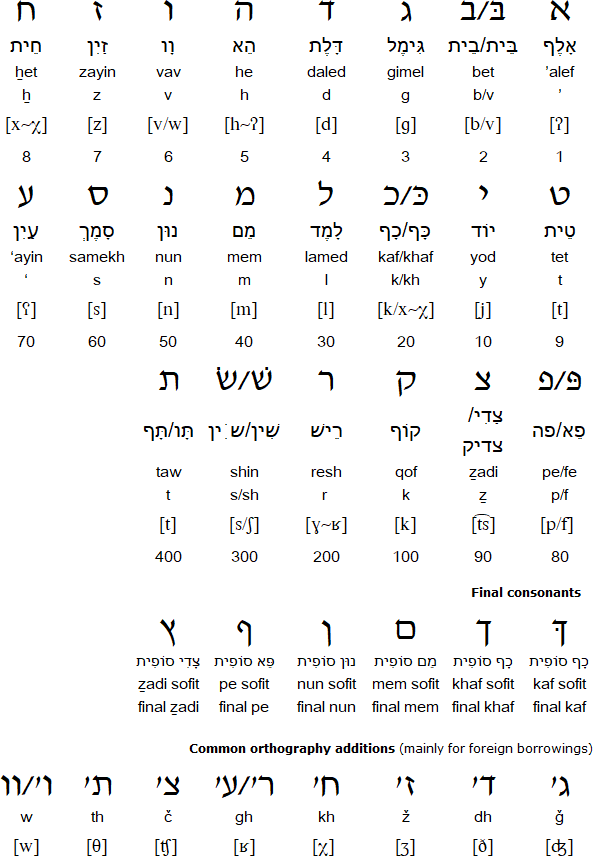
Hebrew alphabet
The first alphabet used to write Hebrew emerged during the late second and first millennia BC. It is closely related to the Phoenician alphabet. The modern Hebrew alphabet was developed from an alphabet known as Proto-Hebrew/Early Aramaic.
Notable features
Writing direction: right to left in horizontal lines.
Number of letters: 22 consonants, plus final letters and diacritics
Some letters (kaf, mem, nun, fe and tzadi) have a final form (sofit), which is used when they appear at the end of a word.
There are no separate numerals in Hebrew, instead standard western numerals (1, 2, 3, etc) are usually used. In some circumstances, however, Hebrew letters are used to represent numbers. For example, in days of the week, for dates in the Hebrew calendar, and in school grades. The numerical values of the letters are shown below.
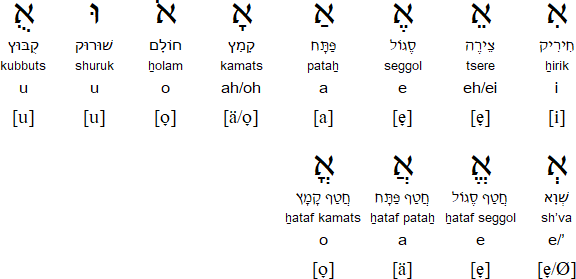
Long vowels can be indicated by the letters alef, vav, and yod. Short vowels are not usually marked, except in the Bible, poetry and books for children and foreign learners.
The Hebrew script
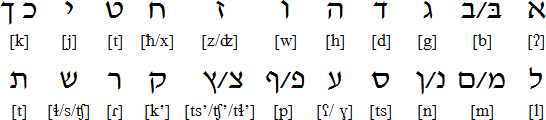
Modern Israeli pronunciation

Notes
het is officially pronounced [ħ], but many people pronounce it [x]
ʻayin is officially pronounced [ʕ], but many people pronounce it [ʔ]
ס׳ [sˤ] and ט׳ [ðˤ] are also used, but only for Arabic names
Hebrew vowel points / Niqqud (נִקּוּד טְבֶרְיָנִי)
This system of indicating vowels was devised by the Masoretic scholars in Tiberias in around 750 AD. It is known as Tiberian vocalization, Tiberian pointing, or Tiberian niqqud, or נִיקוּד טְבֵרִיָנִי in Hebrew.

Modern Cursive Hebrew script

Biblical Hebrew (עִבְרִית מִקְרָאִית) /
Classical Hebrew (עִבְרִית קְלַסִּית)
Biblical or Classical Hebrew is the form of Hebrew used in Israel and Judah from about the 10th century BC until the 2nd century AD. Texts include the Hebrew Bible, and other religious and historical writings. It was written without vowel indication at first, and over time some consonants, known as matres lectionis, came to be used to indicate vowels.
Biblical Hebrew was first written with the Phoenician script, which developed into the Paleo-Hebrew script by the 10th or 9th century BC. By the 6th century BC the Aramaic script began to replace the Paleo-Hebrew script.

Tiberian Hebrew
This is the reconstructed pronunciation of the Hebrew used between 750-950 AD by Masoretic scholars living in the Jewish community of Tiberias in ancient Judea.

Rashi
The Rashi style is used mainly to write commentaries on texts. It is named after Rabbi Shlomo Yitzchaki (1040-1105 AD) a.k.a. Rashi, one of the greatest medieval Jewish scholars and bible commentators. Rashi did not use the Rashi sytle to write his commentaries but it is named in honour of him.

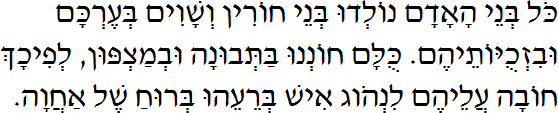
Sample texts in Hebrew
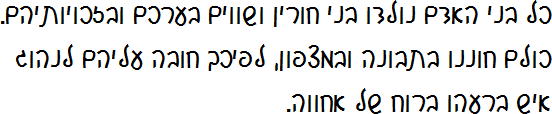
Without vowels (Serif font - David)

Without vowels (Sans-Serif font - Arial)

With vowels

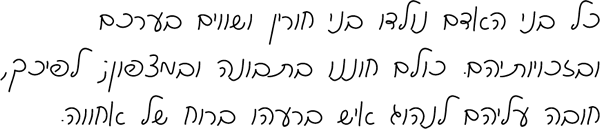
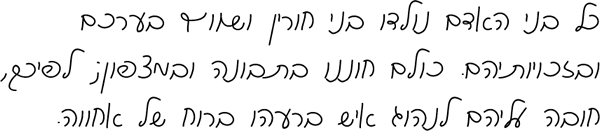
Cursive script

Another version of the cursive script

Cursive script with ligatures (informal)

Transliteration
Kol benei ha'adam noldu benei xorin veshavim be'erkam uvizxuyoteihem. Kulam xonenu batevuna uvematspun, lefixax xova 'aleihem linhog ish bere'ehu beruax shel axava.

Transliteration
Kol benei ha'adam noldu benei xorin veshavim be'erkam uvizxuyoteihem. Kulam xonenu batevuna uvematspun, v xova 'aleihem linhog ish bere'ehu beruax shel axava.
Translation
All human beings are born free and equal in dignity and rights. They are endowed with reason and conscience and should act towards one another in a spirit of brotherhood.
(Article 1 of the Universal Declaration of Human Rights)
Corrections and text samples provided by Tal Barnea
Selasa, 27 September 2016
Minggu, 18 September 2016
Kamis, 01 September 2016
99 Kalimat Frase Idiom Bahasa Inggris Umum Sehari-Hari
Mungkin
banyak sekali dari kita yang agak susah bila belajar bahasa inggris
formal seperti belajar part of speech, grammar, tenses dan lainnya.
Sebenarnya dalam belajar bahasa inggris paling mudah adalah kita hanya
perlu meniru ucapan orang lain yang umum digunakan sehari-hari. Jarang
sekali kan jika anda harus menghapal misalkan "unconformity" dalam
istilah geografi berarti ketidaselarasan batuan. Inilah 99 Kalimat
frase/idiom bahasa inggris umum yang banyak digunakan dalam aktifitas
sehari-hari, dikutip dari Topica Native Indonesia. Mari belajar bahasa
inggris untuk taklukan dunia.
![]() |
| Yuk, Belajar Bahasa Inggris, http://film-english.com/ |
Frase Idiom Bahasa Inggris Umum
1. Help Yourself! = Bantu dirimu sendiri!
2. Absolutely = Tentu saja!
3. What have you been doing? = Apa yang telah kamu lakukan?
4. Nothing much! = bukan apa apa!
5. What's on your mind? = Apa yang kamu pikirkan?
6. I was just thinking = saya hanya sedang berfikir
7. I was just day dreaming = saya hanya sedang melamun
8. It's none of your business = Bukan urusan loe kali
9. Is that so? = Hanya itu?
10. How come? = bagaimana bisa?
11. How's it going? = bagaimana itu berjalan?
12. Definitely! = tentu saja!
13. Of course! = pastinya!
14. You better believe it! = Anda harus memercayainya!
15. I guess so. = Saya berpikir demikian
16. There's no way to know = Tidak ada cara lain untuk mengetahuinya.
17. I can't say for sure = Saya tidak dapat memastikannya.
18. This is too good to be true = terlalu baik untuk jadi kenyataan.
19. No way! Stop joking! = Sudah! Cukup bercandanya!
20. I got it = saya paham
21. Right on!(great) = luar biasa!
22. I did it! (I made it!) = saya berhasil melakukannya!
23. Got a minute? = Anda punya waktu sebentar?
24. About when? = sekitar kapan?
25. I won't take but a minute = saya takkan lama, hanya sebentar
26. Speak up! = Bicaralah!
27. Never mind! = tidak masalah!
28. So we've met again, eh? = Jadi kita bertemu lagi, kan?
29. Come here = Kemarilah
30. Come over = Datanglah
31. Don't go yet = Jangan pergi dulu!
32. Please go first. After you = Pergilah dahulu, saya menyusul.
33. Thanks for letting me go first = Terima ksih telah mengijinkan saya pergi dulu.
34. What a relief = sangat melegakan.
35. You're life saver = anda adalah sang penyelamat hidup
36. Bad luck! = Sial!
37. I know I can count on you = saya tahu saya bisa mengandalkanmu
38. Anything else? = ada lagi?
39. That's a lie = bohong!
40. Do as I say = lakukan seperti apa yang saya katakan
41. This is the limit = ini adalah batasnya!
2. Absolutely = Tentu saja!
3. What have you been doing? = Apa yang telah kamu lakukan?
4. Nothing much! = bukan apa apa!
5. What's on your mind? = Apa yang kamu pikirkan?
6. I was just thinking = saya hanya sedang berfikir
7. I was just day dreaming = saya hanya sedang melamun
8. It's none of your business = Bukan urusan loe kali
9. Is that so? = Hanya itu?
10. How come? = bagaimana bisa?
11. How's it going? = bagaimana itu berjalan?
12. Definitely! = tentu saja!
13. Of course! = pastinya!
14. You better believe it! = Anda harus memercayainya!
15. I guess so. = Saya berpikir demikian
16. There's no way to know = Tidak ada cara lain untuk mengetahuinya.
17. I can't say for sure = Saya tidak dapat memastikannya.
18. This is too good to be true = terlalu baik untuk jadi kenyataan.
19. No way! Stop joking! = Sudah! Cukup bercandanya!
20. I got it = saya paham
21. Right on!(great) = luar biasa!
22. I did it! (I made it!) = saya berhasil melakukannya!
23. Got a minute? = Anda punya waktu sebentar?
24. About when? = sekitar kapan?
25. I won't take but a minute = saya takkan lama, hanya sebentar
26. Speak up! = Bicaralah!
27. Never mind! = tidak masalah!
28. So we've met again, eh? = Jadi kita bertemu lagi, kan?
29. Come here = Kemarilah
30. Come over = Datanglah
31. Don't go yet = Jangan pergi dulu!
32. Please go first. After you = Pergilah dahulu, saya menyusul.
33. Thanks for letting me go first = Terima ksih telah mengijinkan saya pergi dulu.
34. What a relief = sangat melegakan.
35. You're life saver = anda adalah sang penyelamat hidup
36. Bad luck! = Sial!
37. I know I can count on you = saya tahu saya bisa mengandalkanmu
38. Anything else? = ada lagi?
39. That's a lie = bohong!
40. Do as I say = lakukan seperti apa yang saya katakan
41. This is the limit = ini adalah batasnya!
42. Explain to me why = jelaskan pada saya kenapa demikian
43. Ask for it = tanyalah!
44. In the nick of time = hampir terlambat
45. No litter = dilarang buang sampah sembarangan
46. Go for it = Lakukan!
47. Don't forget = jangan lupa
48. How cute! = lucunya!
49. None of your business! = Bukan urusan kamu!
50. Don't peep! = jangan mengintip!
51. What I'm going to do if...= apa yang akan saya lakukan jika...
52. Stop it right away! = berhenti sekarang!
53. A wise guy, eh? = laki-laki bijaksana, bukan?
54. You'd better stop dawdling = berhenti membuang waktu
55. Say chesse = katakan keju
56. Be good = jadilah anak baik!
57. Please speak more slowly = tolong bicaranya pelan
58. Me?Not likely! = Saya?tidak seperti itu!
59. Scratch one's head = berpikir keras
60. Take it or leave it! = ambil atau tinggalkan!
61. What a pity! = sayangnya!
62. Mark my words = ingat kata-kata saya!
63. What a relief! = sangat melegakan!
64. Enjoy your meal! = nikmatilah hidangan anda!
65. It serves you right! = Melayani anda dengan tepat!
66. The more, the merrier = semakin banyak, semakin meriah
67. Boys will be boys! = anak laki-laki akan selalu jadi anak laki-laki!
68. Good job/well done = selamat
69. Just for fun = hanya untuk besenang-senang
70. Try your best! = cobalah yang terbaik!
71. Make some noise! = membuat kegaduhan!
72. Congratulation! = Selamat!
73. Calm down! = tenanglah!
74. Go for it = lanjutkanlah
75. Strike it lucky = membuat keberuntungan
76. Always the same = selalu begitu/sama saja
77. Hit it off = supel
78. Hit or miss = sekarang atau kehilangan kesempatan
79. add fuel to the fire = semakin membuat parah keadaan
80. Don't mention it/Not at all = Bukan apa-apa
81. Jus kidding = hanya gurauan
82. No, not a bit = tidak sedikitpun
83. Nothing particular = tidak ada yang spesial!
84. I'll take your word for it = saya pegang kata-katamu
85. The same as usual = sama seperti biasanya
86. Almost done = hampir selesai
87. You'l have to step on it = anda harus melaluinya
88. I'm in a hurry = saya buru-buru nih
89. Sorry for bothering = maaf saya mengganggu
90. Give a certain time = berikan aku waktu pastinya
91. Provincial = orang udik!
92. Discourages me much! = mematahakan semangat saya
93. It's a kind of once -n life = sangat jarang terjadi
94. The God Knows = hanya Tuhan yang tahu
95. Poor you/me/her/him = kasihannya kamu/saya/dia
96. Got a minute = punya waktu sebentar!
97. I'll be shot if I know = saya bisa dibunuh jika saya tahu
98. To argue hot and long = berpendapat yang tidak ada habisnya
99. This one is on me = biar saya selesaikan yang ini!
43. Ask for it = tanyalah!
44. In the nick of time = hampir terlambat
45. No litter = dilarang buang sampah sembarangan
46. Go for it = Lakukan!
47. Don't forget = jangan lupa
48. How cute! = lucunya!
49. None of your business! = Bukan urusan kamu!
50. Don't peep! = jangan mengintip!
51. What I'm going to do if...= apa yang akan saya lakukan jika...
52. Stop it right away! = berhenti sekarang!
53. A wise guy, eh? = laki-laki bijaksana, bukan?
54. You'd better stop dawdling = berhenti membuang waktu
55. Say chesse = katakan keju
56. Be good = jadilah anak baik!
57. Please speak more slowly = tolong bicaranya pelan
58. Me?Not likely! = Saya?tidak seperti itu!
59. Scratch one's head = berpikir keras
60. Take it or leave it! = ambil atau tinggalkan!
61. What a pity! = sayangnya!
62. Mark my words = ingat kata-kata saya!
63. What a relief! = sangat melegakan!
64. Enjoy your meal! = nikmatilah hidangan anda!
65. It serves you right! = Melayani anda dengan tepat!
66. The more, the merrier = semakin banyak, semakin meriah
67. Boys will be boys! = anak laki-laki akan selalu jadi anak laki-laki!
68. Good job/well done = selamat
69. Just for fun = hanya untuk besenang-senang
70. Try your best! = cobalah yang terbaik!
71. Make some noise! = membuat kegaduhan!
72. Congratulation! = Selamat!
73. Calm down! = tenanglah!
74. Go for it = lanjutkanlah
75. Strike it lucky = membuat keberuntungan
76. Always the same = selalu begitu/sama saja
77. Hit it off = supel
78. Hit or miss = sekarang atau kehilangan kesempatan
79. add fuel to the fire = semakin membuat parah keadaan
80. Don't mention it/Not at all = Bukan apa-apa
81. Jus kidding = hanya gurauan
82. No, not a bit = tidak sedikitpun
83. Nothing particular = tidak ada yang spesial!
84. I'll take your word for it = saya pegang kata-katamu
85. The same as usual = sama seperti biasanya
86. Almost done = hampir selesai
87. You'l have to step on it = anda harus melaluinya
88. I'm in a hurry = saya buru-buru nih
89. Sorry for bothering = maaf saya mengganggu
90. Give a certain time = berikan aku waktu pastinya
91. Provincial = orang udik!
92. Discourages me much! = mematahakan semangat saya
93. It's a kind of once -n life = sangat jarang terjadi
94. The God Knows = hanya Tuhan yang tahu
95. Poor you/me/her/him = kasihannya kamu/saya/dia
96. Got a minute = punya waktu sebentar!
97. I'll be shot if I know = saya bisa dibunuh jika saya tahu
98. To argue hot and long = berpendapat yang tidak ada habisnya
99. This one is on me = biar saya selesaikan yang ini!
Sumber:
Langganan:
Postingan (Atom)